Picking the right solar power inverter is a pretty big deal if you're serious about getting the most out of your solar setup. With the global solar market expected to hit around $223 billion by 2026, understanding how to choose the perfect inverter really matters. According to the International Energy Agency, inverters make up about 10-15% of the total cost of a solar system, which just goes to show how important they are when it comes to making everything run smoothly.
Industry pro Dr. James Peterson from SolarTech puts it nicely: “The right inverter can really boost both the performance and the lifespan of your solar system.” His words remind us that not all inverters are created equal—there’s a bunch of different models out there, each tailored for specific needs like how much energy you use or what kind of installation you’re doing. Honestly, it can get pretty overwhelming trying to figure out what’s best, and that’s totally understandable.
Basically, a Solar Inverter doesn’t just turn DC into AC power; it also impacts how reliable and efficient your whole system is. When choosing one, it’s important to look at stuff like efficiency ratings, warranties, and whether it plays nice with batteries. Every little detail can make a difference when optimizing your solar energy setup. So, with a bit of careful thought, you can totally navigate this whole process without pulling your hair out.
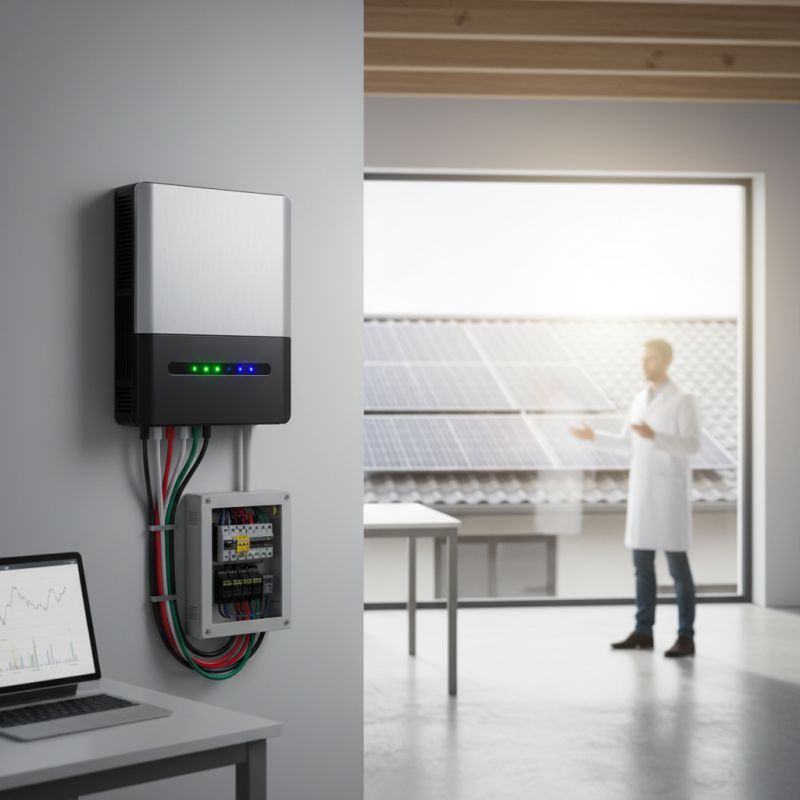
Understanding Solar Power Inverters: Types and Functions
Understanding Solar Power Inverters is crucial for optimizing your solar energy system. These devices convert direct current (DC) generated by solar panels into alternating current (AC) used in homes. There are mainly three types: string inverters, microinverters, and power optimizers. According to a report by the National Renewable Energy Laboratory, over 90% of residential systems use string inverters due to their cost-effectiveness. However, microinverters are gaining traction for their efficiency in shaded areas.
Choosing the right inverter depends on your specific needs. Consider your energy consumption and the layout of your solar panels. If your panels face different directions, microinverters might work best. On the other hand, for simpler setUPS, string inverters could suffice. Data shows that a good quality inverter can improve system performance by up to30%.
Tip: Always look for inverters with robust warranties. A 10-year warranty or more often indicates a reliable product. Another important factor is efficiency rating. Look for an inverter with an efficiency rate above 95%. Remember, sometimes spending more upfront can save you money in the long run. You may need to weigh the initial investment against potential energy savings.
Key Specifications to Consider When Choosing a Solar Inverter
When selecting a solar power inverter, key specifications play a pivotal role. Efficiency is one of the most critical factors. A higher efficiency rating means more energy conversion from sunlight to usable power. Aim for inverters with efficiencies over 95%. This small difference can significantly impact your energy savings over time.
Another vital specification to consider is the inverter’s power output capacity. Ensure it matches your solar panel system’s output. If your panels produce more power than the inverter can handle, you will face inefficiencies. The Csa Standard Solar Power Inverter provides guidelines to ensure safety and performance, reinforcing the importance of compliance in your selection process.
Moreover, consider the inverter's durability and warranty. Inverters should ideally last 5 to 10 years. Poor-quality inverters can fail prematurely, leading to costly replacements. Additionally, usability is often overlooked. Some models offer user-friendly interfaces and monitoring options, enhancing the overall user experience. Reflect on your specific needs to strike a balance between features and budget.
How to Choose the Best Solar Power Inverter for Your Needs? - Key Specifications to Consider When Choosing a Solar Inverter
| Specification | Description | Importance Level |
| Output Power | The maximum output power the inverter can provide. | High |
| Efficiency Rating | The percentage of power converted from DC to AC. | High |
| Input Voltage Range | The range of voltage that the inverter can accept from the solar panels. | Medium |
| Weight | The weight of the inverter, which affects installation. | Low |
| Warranty Period | Length of time the inverter is guaranteed to function without defects. | High |
| Safety Certifications | Certifications confirming the inverter meets safety standards. | High |
| Grid-tie Capability | Ability to connect with the public electricity grid. | Medium |
| Monitoring Features | Features that allow tracking of system performance. | Medium |
Efficiency Ratings: How They Impact Your Solar Power System Performance
When selecting a solar power inverter, efficiency ratings are a key factor. These ratings indicate how well the inverter converts DC power from solar panels into AC power for your home. A higher efficiency means less energy loss, which directly translates to better performance of your solar power system. Many inverters boast efficiencies above 95%. However, real-world conditions often affect these numbers.
Understanding how these efficiency ratings impact your solar system is crucial. It helps you gauge potential energy production and savings on electricity bills. In some cases, factors like temperature and installation angle can reduce efficiency. It’s vital to consider these elements before finalizing your choice.
Tips: Look for inverters with a good warranty. This reflects the manufacturer's confidence in their product. Check user reviews to see how others experience long-term performance. Don’t ignore service support; it’s essential for resolving any future issues.
Grid-Tied vs. Off-Grid Inverters: Which is Right for You?
When deciding between grid-tied and off-grid inverters, it's essential to evaluate your energy needs. Grid-tied inverters connect to the utility grid. They are suitable for homes that want to save on electricity costs. You can send surplus energy back to the grid. This system might be ideal if you live in an area with reliable power. However, reliance on the grid means potential outages could affect your energy supply.
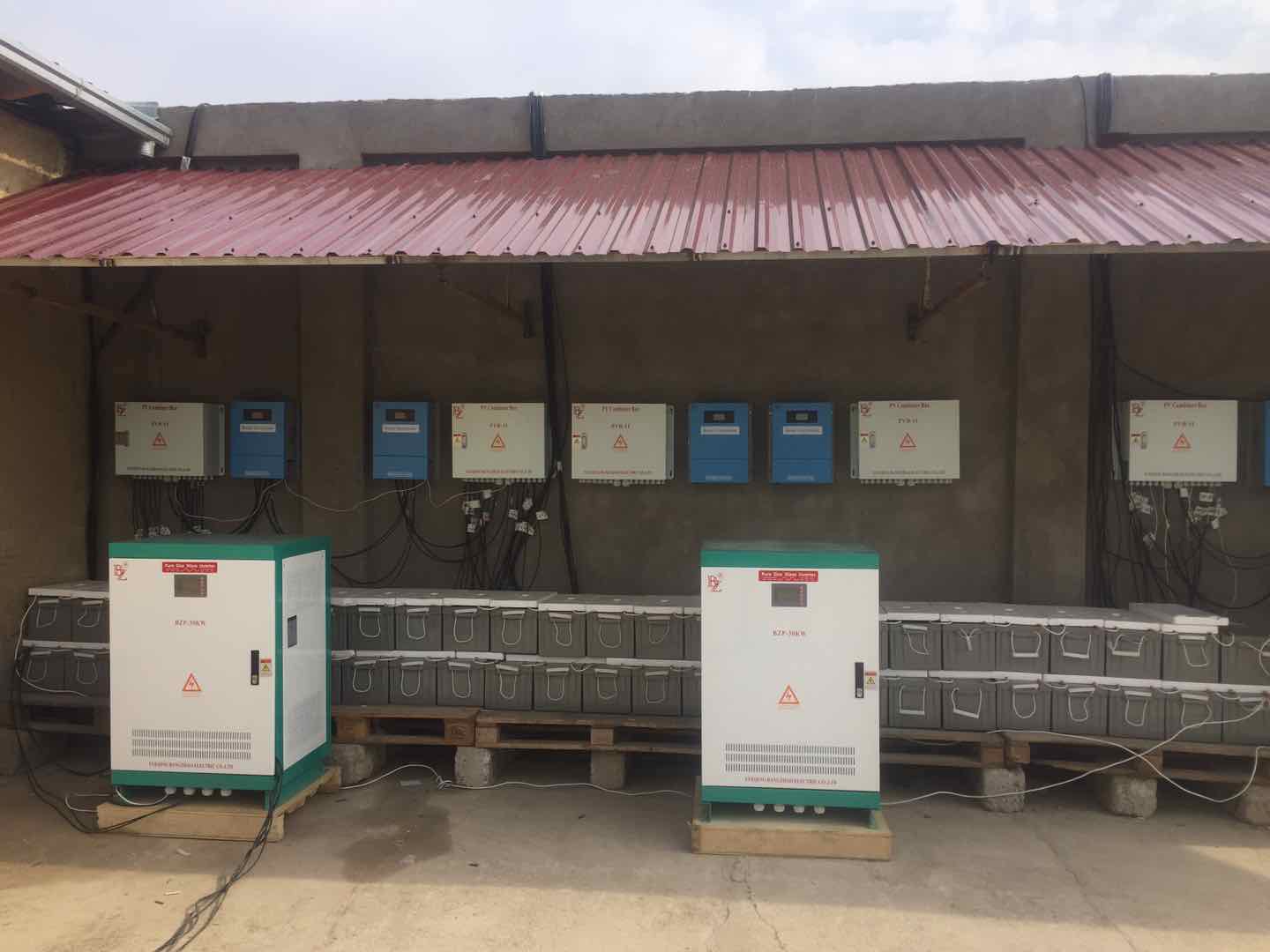
On the other hand, off-grid inverters work independently. They are perfect for remote locations where the grid isn't accessible. With off-grid systems, you gain energy autonomy. These inverters store energy for use during cloudy days or at night. Keep in mind, they require battery systems. This can increase your overall costs. You also need to think about the maintenance of these batteries.
Choosing the right inverter involves weighing these factors. Sometimes, people underestimate their electricity use. This can lead to inadequate power supply. Consider your lifestyle and energy habits when making a decision. A power solar inverter can serve as a valuable tool for your energy journey, but it’s crucial to choose wisely based on your unique circumstances.
Safety Features in Solar Inverters: What You Should Look For
When selecting a solar power inverter, safety is a critical factor. A report from the National Renewable Energy Laboratory highlights that 25% of solar-related failures are due to inverter issues. It’s essential to look for features that ensure safety and reliability in your system.
One key feature is over-voltage protection. This functionality protects your inverter from voltage spikes, which can cause irreparable damage. Many advanced Solar power controllers now come equipped with this feature. Additionally, thermal management systems are vital. They prevent overheating, which is a common risk in many environments. Systems that incorporate efficient cooling technology can significantly extend equipment lifespan.
Another aspect to consider is fault monitoring. A reliable solar inverter should have integrated diagnostics to alert you to potential issues. Reports show that systems with real-time fault monitoringcan reduce maintenance costs by up to 40%. By staying informed about the performance of your Solar power controller, you can mitigate risks before they escalate.Investing in safety features is not just prudent; it’s essential for maximizing the longevity and efficiency of your solar investment.
The Role of Warranty and Longevity in Inverter Selection
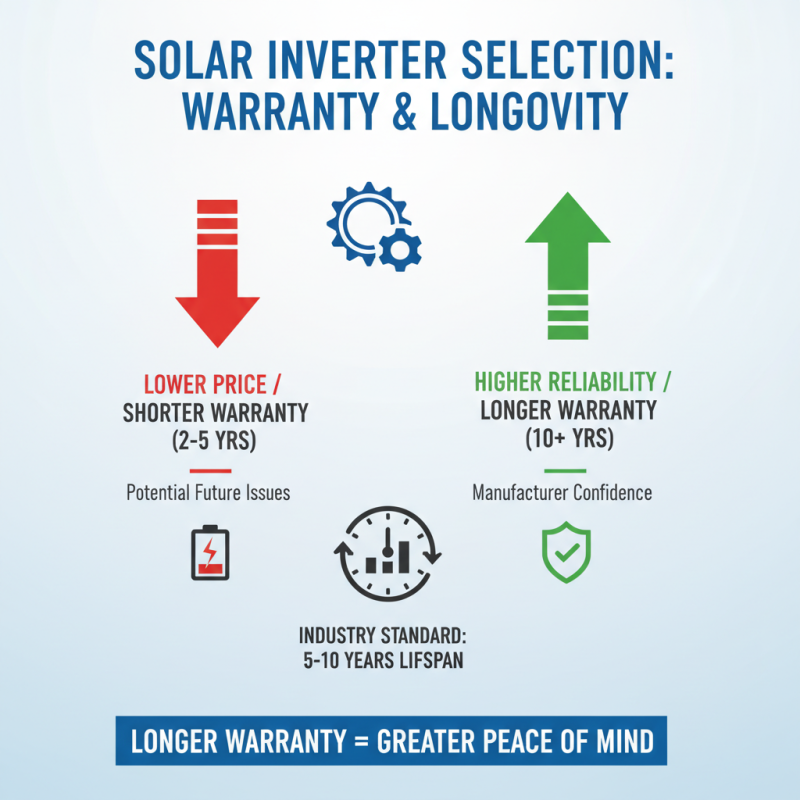
When selecting a solar power inverter, warranty and longevity are crucial factors. Industry standards suggest that inverters should last at least 5 to 10 years. Reports indicate that a robust warranty can significantly reflect the manufacturer's confidence. For instance, inverters with a 10-year warranty often demonstrate higher reliability. Often, lower-priced options come with shorter warranties, which may indicate potential future problems.
Longevity is tied closely to performance. Studies show that inverters degrade over time, affecting efficiency. For example, after five years, some inverters may operate at only 80% capacity. This decline can be costly, especially in terms of energy output. A high-quality inverter—like a High-Power Power Inverter for Vehicles—can mitigate these issues. Users want to balance upfront costs with long-term benefits. Inverters that have proven durability can ultimately save on replacement costs.
Choosing a product with a better warranty may lead to greater peace of mind. However, it's essential to scrutinize the specifics of what the warranty covers. Many warranties only allow for repair, not replacement. Understanding the terms can prevent unpleasant surprises down the line. Reliable products often come with transparency about longevity and customer support, ensuring that users are well-informed about their choices.
Cost Analysis: Balancing Price and Quality in Solar Inverters
When considering a solar power inverter, cost is a crucial factor. A common misconception is that the lowest price equals the best deal. Many affordable options lack essential features or efficiency. It's important to assess what you need. A balance between price and quality matters the most.
Inverters should match your energy use. Research shows that inefficiencies can lead to wasted energy and higher long-term costs. Opt for inverters that provide high performance over their lifespan. Seek out warranties and efficiency ratings as indicators of reliability. Sometimes, spending a bit more upfront can save you money in the long run.
Reflect on how often you will use the inverter. If your use is sporadic, a budget option may suffice. For heavy use, consider premium models with advanced features. Assess your unique requirements before making a decision. Understanding your needs ensures a wise investment that pays off in time.
Maximizing Efficiency: Insights from Industry Reports on the Benefits of Power Phase Converters for 120/240V to 120/208V Transition
As industries increasingly transition to three-phase power systems, understanding the benefits of power phase converters has become essential. Specifically, power phase converters designed to transform 120/240V split-phase power to 120/208V three-phase power offer significant advantages for businesses in need of reliable energy supply. These converters enable the operation of various three-phase equipment, such as industrial motors, CNC machine tools, and lifts, in settings where three-phase mains are either unavailable or experience limitations due to power supply constraints.
One of the key advantages of these phase-splitting converters is their ability to match voltage levels required by differing equipment. By elevating single-phase 240V to a robust three-phase 380V, businesses can ensure their machines operate efficiently and effectively, avoiding potential damage from voltage mismatches. Additionally, these converters incorporate algorithmic controls that help balance power distribution across phases, addressing common issues associated with single to three-phase conversion. This phase compensation not only enhances equipment longevity but also maximizes operational efficiency, making these converters an invaluable asset in modern industrial environments.
Conclusion
Choosing the right Solar Power Inverter is crucial for optimizing the performance of your solar power system. Understanding the different types and functions of inverters is the first step in making an informed decision. Key specifications such as efficiency ratings and safety features should be considered, as they directly affect the system's reliability and output.
Moreover, evaluating whether a grid-tied or off-grid inverter is better suited for your needs can influence both functionality and cost. Longevity and warranty terms also play a significant role in the selection process, ensuring you invest in a durable product. Finally, performing a cost analysis will help you strike the right balance between price and quality, ensuring that your solar power system meets your energy needs effectively.